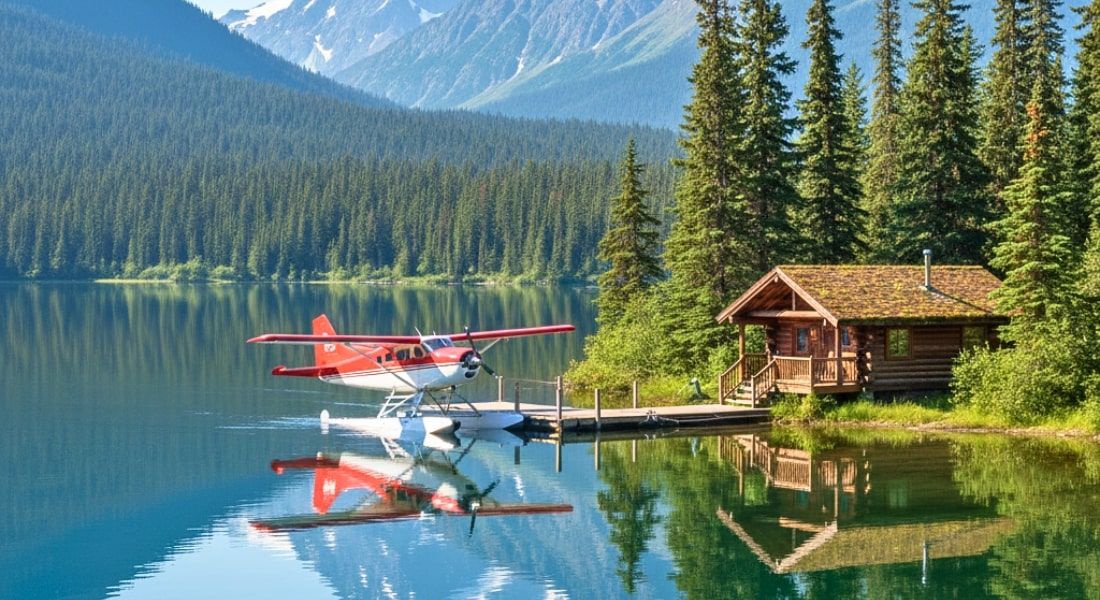
Stand on a quiet shoreline in the Mat-Su Valley, and it’s easy to imagine the possibilities. You envision a cabin tucked into the spruce. Maybe a floatplane by a small dock. The kind of privacy you can’t buy in the Lower 48.
It feels like the perfect investment: land, space, water, and a lifestyle story that draws people in.
But here’s the grounded truth after decades helping buyers and investors here: most Alaska land isn’t an investment. It’s an expense. Knowing the difference saves investors thousands.
I’m not trying to scare you away. The purpose of this post is to give you clarity so your decisions match your goals.
The Dream vs. the Reality
A lot of out-of-state buyers show up, assuming land here behaves as it does in Idaho or Montana. They picture grabbing a few acres, watching appreciation rise, and turning raw dirt into ROI.
But Alaska plays by different rules. No other place matches its scenery. The lifestyle value is high. Appreciation is slow. And carrying costs surprise even seasoned investors.
If you’re chasing returns, you’ll need a more accurate lens than the postcard version.
Why Most Alaska Land Appreciates Slowly
Investors in the Lower 48 rely on three forces: population growth, zoning pressure, and city expansion. None of those forces operate strongly here.
Here’s the real picture:
- There’s too much land and too little is developable. The state is enormous, but usable, accessible, privately owned land remains scarce. That slows sales and spreads out demand. Slower activity equals slower appreciation.
- Population growth isn’t strong enough to push prices upward. The Valley is the fastest-growing region in the state, but even that growth is modest compared to boom states. Don’t expect fast jumps in value.
- Remote land is expensive to develop. Wells, septic, power, and build logistics can easily exceed the cost of the land itself. A “cheap” parcel rarely stays cheap.
- Many parcels require cash buyers. Financing limits appreciation because fewer people can buy. A small buyer pool means a long hold time.
- Cabins rarely cash flow unless access and views are exceptional. Romantic off-grid visions often crash into the reality of maintenance, access, and guest expectations. Income projections need real numbers, not optimism.
When the Numbers Don’t Add Up
A pilot from out of state had a clear vision. He wanted five to ten acres near a quiet, forested lake. It would be perfect for an off-grid cabin to rent to other pilots and adventure travelers.
We found a parcel that seemed ideal at first glance. Summer access was easy. The trees were thick and healthy. The lake was glassy and inviting. But the details told a different story.
Winter access was uncertain. There was no road maintenance. Utilities were nonexistent. Half the lot was wetlands. Lenders wouldn’t touch it. The cabin he wanted to build would cost far more than what the likely rental income could support.
He wasn’t wrong to want it. It was a beautiful parcel. But it wasn’t investable land.
To his credit, he pivoted. He focused on value drivers instead of romance. The results were far better because of it.
Rare Lakefront Floatplane Lots That Deliver Value
There is one category of Alaska land where numbers and adventure actually meet. These are lakefront parcels on floatplane-sized lakes outside borough boundaries, where property taxes don’t apply.
These are rare, but they create a unique investment profile:
- They aren’t subject to property tax. That alone changes long-term value. Holding costs drop to almost nothing. Annual expenses don’t eat your ROI.
- Floatplane access adds real demand. Plenty of Alaskans are pilots. Many Lower-48 buyers are, too. Your buyer pool is emotionally motivated.
- Supply remains tight. Floatplane lakes are limited, and usable parcels are even fewer. Scarcity supports long-term value.
- Lifestyle buyers pay premium prices. When demand depends on lifestyle rather than spreadsheets, offers often rise. You sell a feeling as much as a property.
- A modest lakeside cabin can perform well. Pilots, families, seasonal workers, and adventure travelers all look for summer cabins with water access. Cash flow becomes realistic.
Why Mat-Su Valley Matters for Investors
Most investors who succeed here understand the Valley’s rhythms.
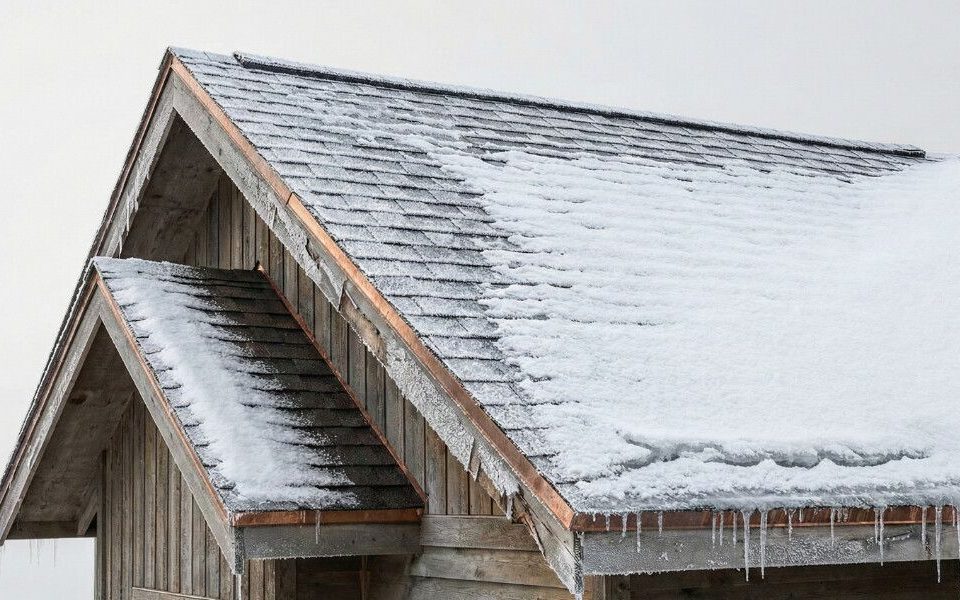
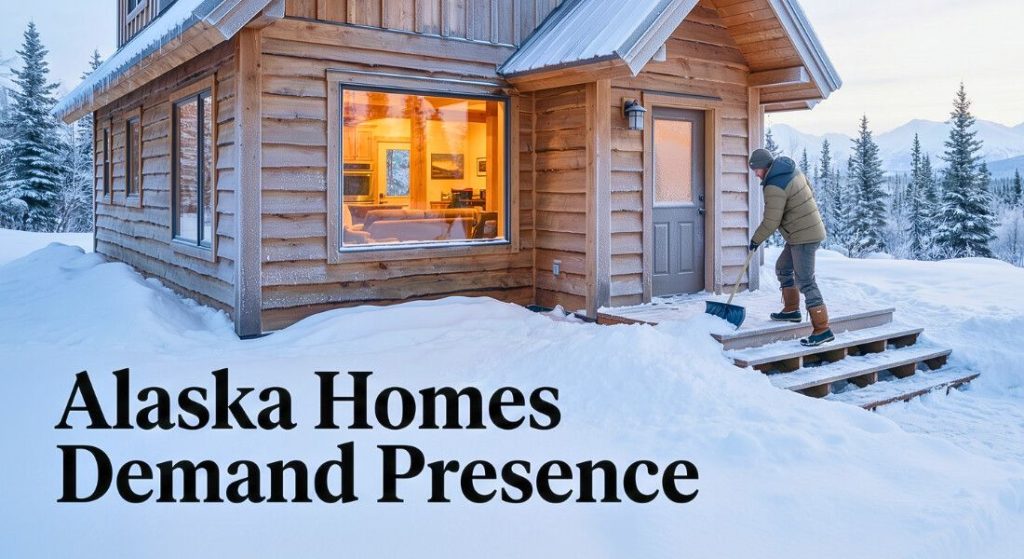
Snow loads hit harder in some winters. Winds around the Knik can slam from 80 to 100 mph. Road maintenance shifts with budgets and storms. Some soils are perfect for building. Others are muskeg. A lake that looks calm in July can freeze into isolation in January.
Knowing these patterns protects your investment. You don’t need to fear land investment. It’s about understanding the place well enough to make wise decisions.
Questions to Ask Before Buying
Before you buy anything here, run every parcel through these filters:
- Is the land accessible year-round?
- What does it cost to bring in utilities or live without them?
- Can a lender finance the parcel?
- Are there wetlands?
- What are the wind patterns?
- What’s the real value driver?
The Investor’s Reality Check
Investors don’t need to avoid Alaska land. You need to understand it. Chasing postcards costs money, but focusing on access, water, scarcity, and low carrying costs pays off. Adventure combined with strategy is the winning formula.
Most Alaska parcels won’t appreciate quickly, won’t cash flow easily, and won’t attract financing. But rare lakefront floatplane lots outside borough lines can deliver real long-term value while keeping holding costs low.
The key is clarity. Alaska rewards investors who think beyond the dream and focus on the practical details that drive value.
Your Top Questions About Buying Here
How fast does raw land appreciate in the Mat-Su Valley?
Appreciation tends to be slow and steady, not dramatic. Some pockets rise faster when access improves or demand increases, but most land moves gradually. Investors should see land as a long-horizon hold. Short-term flips rarely work here.
Is buying remote Alaska land ever profitable?
It can be, but only when access, water, or scarcity create real value. Remote parcels without these anchors usually behave more like lifestyle purchases than investments. Profit relies on predictable demand, and truly remote areas often lack that predictability.
Do dry cabins or off-grid builds cash flow well?
Some do, but most need outstanding access or lakefrontage to stay booked enough to cover expenses. Guests expect comfort even when they want adventure. If access is seasonal or tricky, occupancy drops quickly.
What makes floatplane lake parcels different?
They combine scarcity, lifestyle demand, and tax advantages when outside borough lines. Pilots value water access highly, and that creates a unique buyer pool. With low annual carrying costs, long holds become easier and more profitable.
Are wetlands always a deal breaker?
Not always. Wetlands shrink usable build space and raise construction costs. In Alaska, even small wetland zones can change driveway plans, cabin placement, and utility options. Always review FEMA maps and soil data before committing.
Can I add utilities later to increase property value?
Yes, but the cost is often higher than investors expect. Running power, drilling a well, and installing a septic system can easily exceed $50k to $100k combined. You must check the math carefully, since the value boost depends on location and demand.
How vital is year-round access?
Critical for most investment strategies. Winter access affects rental income, build logistics, resale demand, and emergency services. Seasonal access can work for some summer-only cabins, but it limits long-term appreciation.
Take the Next Step in Alaska Land
Alaska offers incredible opportunities, but the numbers rarely match the postcard. Understanding access, utilities, soils, and value drivers is the key to turning a dream property into a wise investment.
That’s where the Valley Market Team comes in. With decades of local experience, we help buyers see beyond the scenery and focus on what truly makes sense.
If a parcel has caught your eye or you want a local read on what’s possible, reach out today. Let’s explore your options and make sure your Alaska land investment pencils out.