One of the most common disconnects I see among Alaska homebuyers occurs during the inspection process. It almost always centers on the roof.
In much of the Lower 48, a 25-year-old roof can still sound respectable. It may even be considered serviceable. In Alaska, that same roof is usually living on borrowed time.
I’ve lived in Alaska my whole life and watched how houses age through winters, sustained wind, and heavy snow loads. The climate changes the math quietly, but decisively.
If you’re buying a home in the Mat-Su Valley, roof age is not a minor detail. It’s a signal worth paying attention to.
Roofs Wear Out Faster in Alaska’s Climate
Roofing materials are subject to far more than rain and sun in Alaska. They absorb much more stress in this climate.
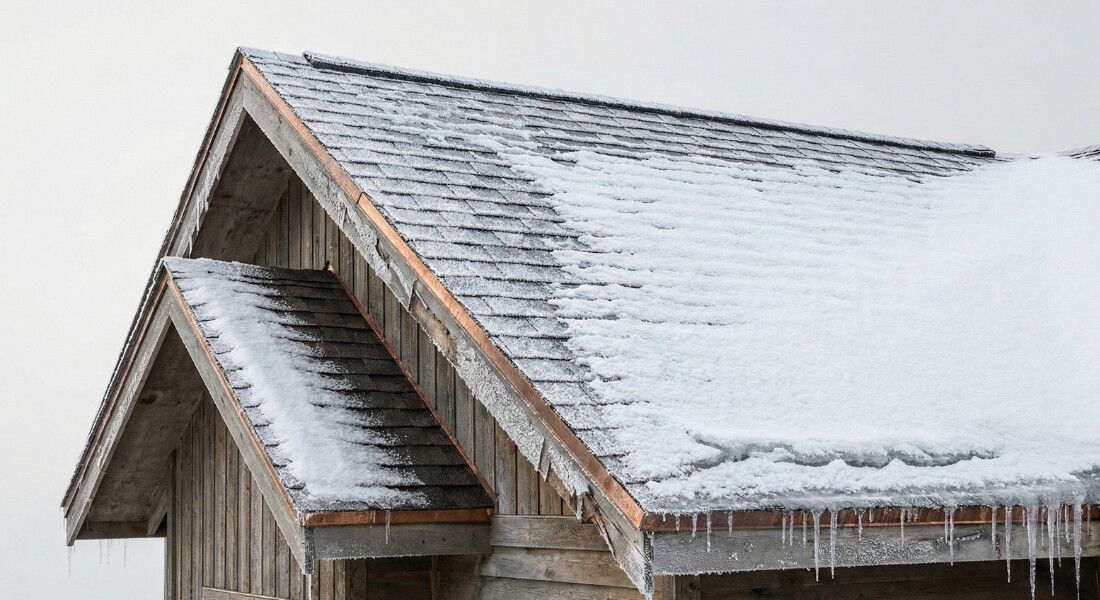
Snow loads sit on roofs for months at a time. Freeze-thaw cycles slowly work nails and loosen flashing. Wind events test every edge and ridge. Ice buildup pushes water into places it was never meant to go.
Over time, those forces compound. Shingles become brittle. Granules wear off. Fasteners loosen just enough to allow moisture inside. A roof that still looks fine from the ground may already be near the end of its practical life.
Freeze-Thaw Cycles Do the Most Damage
Alaska roofs rarely fail in dramatic ways. Most of the time, they fail quietly at seams and transitions.
Snow melts during brief warm spells. Water seeps into tiny gaps. Then temperatures drop again, and that moisture freezes and expands. That happens dozens of times each season.
Each cycle widens cracks a little more. Flashing separates. Ice dams begin to form. By the time water shows up inside the home, the damage has usually been building for quite a while.
Snow Load Is About More Than Weight
Snow load is often thought of as a structural concern, and it is. But it also directly affects roofing materials.
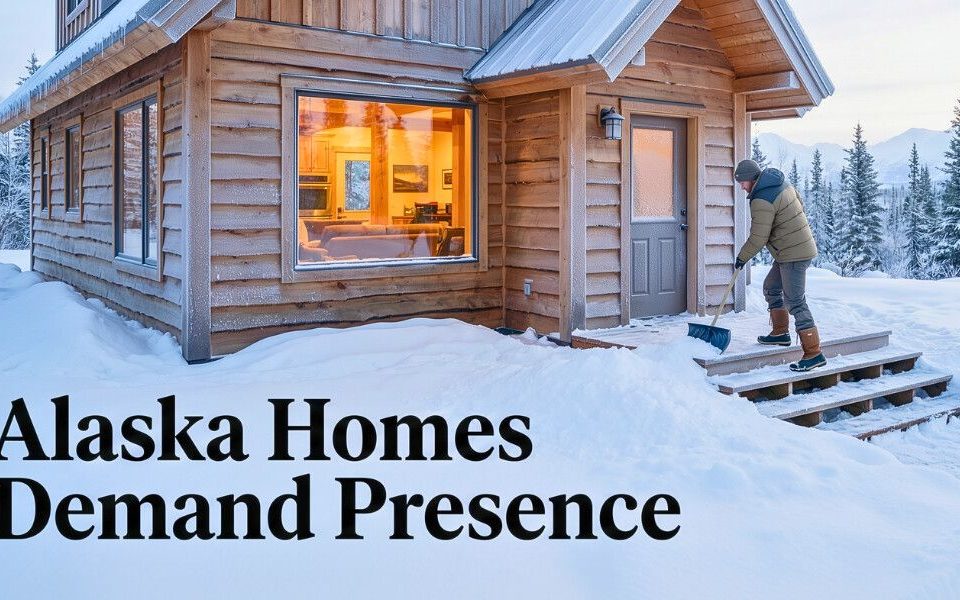
When snow sits on a roof, it traps moisture against shingles. It creates uneven roof temperatures, especially near eaves. That’s where ice dams form. Warm attic air melts snow higher up, while water refreezes along colder edges.
A roof can be structurally sound yet still vulnerable to water intrusion due to how snow and ice behave over time.
What Inspectors Are Signaling When They Note Roof Age
When an Alaska inspector flags a roof approaching 25 years, it’s not a casual observation. Inspectors are thinking in terms of remaining useful life, not just how the roof looks that day.
They know what winter does to aging materials. Lenders and insurance companies read those notes carefully. Roof age alone can affect financing, insurance availability, or both, even when no active leaks are present.
How Roof Age Changes Negotiations
A 25-year-old roof shifts the tone of a transaction.
Buyers may request credits. Sellers may push back. Appraisers may note functional obsolescence. Insurers may require documentation showing the remaining life expectancy.
None of this means a deal cannot move forward. It simply means expectations need to be realistic. Roof age should be accounted for in pricing and planning, not argued away.
An Alaska Roof Near the End of Its Life
I once worked with buyers considering a home outside Palmer. It was a solid house with a good layout, and the roof was listed as “about 25 years old.”
It was late winter. The home stayed warm and dry during showings. There were no stains and no obvious warning signs.
Then the breakup arrived quickly. A warm spell hit, snow began sliding, and ice dams formed along the eaves.
When water appeared, it wasn’t dripping. It was spreading behind walls. Insulation was soaked, and the sheathing had already darkened.
The roof didn’t fail all at once. It failed quietly, as Alaska roofs tend to do.
Why Winter Roof Replacements Require Caution
Roofing work does not stop in winter, but cold-weather installs come with limitations.
Shingles do not seal as well in low temperatures. Adhesives may not activate fully. Strong winds can lift materials before they have time to bond properly.
That’s why I’m cautious when roof replacement is proposed as a post-closing solution during the winter months. A rushed install can create new problems rather than solve existing ones.
Why Buyers Often Underestimate Roof Risk
Roof age does not feel urgent when a house is warm and dry. Snow slides off. Listing photos look clean. Everything seems solid.
But Alaska roofs rarely collapse. They seep, wick, and leak. Roofs must withstand spring melt, mid-winter wind events, and sudden temperature swings.
Comfort during a showing is not proof of roof health.
How Alaska Lenders and Insurers Look at Roofs
Out-of-state buyers are often surprised by how conservative Alaska lenders and insurers can be about roof age.
They’ve seen the claims and understand the climate. Even if a roof technically has “years left,” those years may not align with local underwriting standards. National norms do not always translate well here.
Common Roof Questions Alaska Buyers Ask
How long do asphalt shingle roofs usually last in Alaska?
Most show significant wear by 20 to 25 years under Alaska conditions. Some last longer, but climate plays a bigger role than manufacturer labels.
Is a 25-year-old roof an automatic deal-breaker?
No. It should be treated as a near-term replacement cost, not a reason to panic.
Can a roof pass inspection and still become a problem later?
Yes. Inspections reflect current condition, not future weather events.
Do metal roofs last longer in Alaska?
They often do, but installation quality and snow management still matter. No roof is maintenance-free.
Is winter replacement always a bad idea?
Not always, but it requires experienced crews and realistic expectations. Some materials handle cold installs better than others.
Should sellers replace a roof before listing?
Sometimes. In other cases, transparent pricing makes more sense. Timing, condition, and market conditions all matter.
Thinking Clearly About Roof Age Before You Buy
In Alaska, roof age is more than a maintenance note. It’s a risk indicator.
If a roof is approaching 25 years, treat it as a near-term expense. Price it honestly and plan for replacement before winter forces the issue.
Do you want to work with a professional who understands how the conditions affect Alaska homes? The Valley Market Real Estate team is ready to walk properties with you. Contact us to start the conversation.