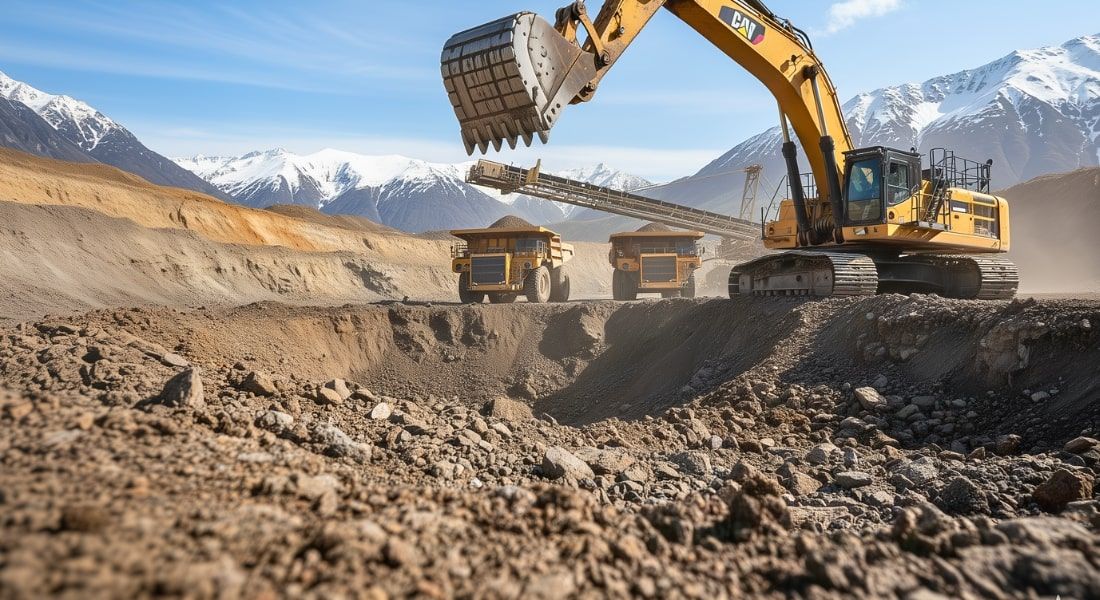
If you picture Alaska’s economy, you probably see pipelines and tankers on the horizon. Lately, I’ve been hearing a different hum. Rare-earth mining in Alaska is moving from quiet maps to concrete plans. It could reshape small corners of the state in steady, practical ways.
I have watched booms here since I was a kid. The Alaska Gold Rush Rush brought tents and rumors over a century ago. Oil built roads and whole neighborhoods.
This new story feels smaller and smarter. It trades frenzy for focus. That matters for communities and for real estate.
Instead of chasing a stampede, you can position yourself ahead of a measured, durable buildout.
How Rare Earths Differ from Oil and Gold
Rare earth elements are not rare in the way diamonds are rare. The challenge is processing them cleanly and economically at scale.
As global supply chains shift and buyers look outside China, Alaska’s geology is getting a fresh look. Companies and agencies are eyeing the Interior and the West, where logistics and power will decide what moves first.
Pay attention to projects where power, road, and port solutions already exist or receive funding. Those are the places where housing demand tends to appear first.
Why This Boom Will Be Slower and Steadier
Oil came in large waves that lifted entire towns at once. Rare-earth development usually proceeds in steps.
First, exploration teams; then, pilots; then, targeted extraction and processing. Each step brings a few more specialists and service jobs.
Families choose to live in established bases like Wasilla, Palmer, and Fairbanks. These communities have schools, clinics, hardware stores, hangars, and winter-ready trades.
Expect gradual absorption rather than spikes. Rentals and entry-level homes near logistics corridors are among the first to see price increases.
Housing & Land Impacts
Resource work pulls on a long chain. Trucking, equipment service, fuel, food, safety, and data all connect to a site. That means new wages in nearby towns.
When workers live in population centers but rotate to the field, long-term rentals take the first hit. Modest single-family homes with garages and space for gear follow.
Clean, functional rentals with good parking, sturdy heat, and reliable internet can outperform. Bare land with power within reach also becomes more interesting.
A Local Example from the Valley
Fifteen winters ago, a small exploration crew started staging out of the Mat-Su. They were not loud about it. A few gravel pads got busy. We saw a few contractors who kept winning repeat work. One school bus route picked up two new families on the same road. Nothing dramatic happened in a single month, but the pattern held.
By the third season, one old shop on the Parks Highway had lights on past dinner. A mechanic hired a second tech to keep up with winter breakdowns. I knew a landlord who added Toyo stoves and kept tenants through twenty-below cold.
By year five, the rental vacancy rate on that side of town felt tighter. Prices did not leap. They firmed. People planned.
Infrastructure as the Quiet Catalyst
Road work, power upgrades, and midstream facilities can matter more than the ore body itself. When dollars land on a corridor, nearby parcels gain value through access and certainty.
Broadband extensions help too. A place that was a stretch last year can become practical this year with a new line or plowed spur.
Track corridor improvements and utility plans as closely as you track drill results. Value follows access.
Where Growth Hits First
Early pressure often gathers in staging hubs. In Southcentral, that can include Wasilla and Palmer, given their proximity to the Parks and Glenn corridors.
When you look at the Interior, Fairbanks remains the service backbone with heavy equipment capacity and cargo connections. Smaller towns near corridors can see land values jump when contractors need laydown yards or winter parking.
Map your search radius to trucking routes, fuel depots, and equipment yards. Those practical anchors predict demand better than marketing flyers.
Key 2026–2027 Milestones
Policy and permitting set the pace. Federal and state support for critical minerals, along with funding for roads and power, will either shorten or lengthen timelines.
Private partnerships between tech manufacturers and Alaska projects could unlock processing and offtake. Confirmed site developments often tighten rentals within driving distance and push serviced land values higher.
Keep a small calendar of agency meetings, public notices, and company updates. Decisions announced in winter can shape the following construction season.
How This Boom Benefits Housing
Fast booms strain schools, clinics, and roads. A paced buildout lets communities adjust. Specialized teams earn steady wages and prefer stable neighborhoods with winter-ready homes, reliable heat, and usable garages.
That pattern fits the Valley well. It rewards owners who maintain properties, plow early, and keep utilities dependable.
Focus on durability, not flash. Solid roofs, dry crawlspaces, and low operating costs matter more than granite counters in this cycle.
12-Month Investor Checklist
If you want to get ahead in the Valley, focus on practical, location-based decisions. Start by checking the fundamentals before chasing trends:
- Start with zoning and utilities. Check before falling in love with a parcel.
- Confirm winter access and snow-load history.
- If you’re looking at rentals, prioritize heating efficiency and storage.
- For land, understand where power runs, the cost to extend it, and who maintains the road.
You don’t need to time the exact start of a mine. Focus on securing valuable assets in the right locations before the pattern becomes obvious.
Quick Answers for Smart Buyers
Are rare earth projects guaranteed to happen in Alaska?
No project comes with a guarantee. Permitting, power, and markets set the pace. Federal interest in critical minerals is rising, and Alaska’s geology is well documented.
How could this affect Wasilla and Palmer specifically?
These towns already serve as logistics bases. If exploration grows, service jobs and rotational workers may choose Valley neighborhoods for schools and lifestyle. That supports stable rental demand and gradual home price firming.
What types of properties fit this cycle?
Durable long-term rentals, small multifamily, and practical single-family homes often see the first lift. Bare land near utilities can also benefit when staging needs expand. Luxury homes are less sensitive; functional assets with storage and parking lead the way.
How do I manage risk if projects stall?
Buy for multiple uses. A shop lot that can serve contractors, winter storage, or a local trade is safer than a single-purpose bet. Keep cash reserves healthy and choose properties that perform under normal conditions, not just boom assumptions.
Will this drive the kind of price spikes we saw with oil?
Unlikely. Rare-earth development is more distributed and deliberate. Expect tighter vacancies and slow, steady price gains rather than sharp jumps. Planning beats speculation.
What should out-of-state buyers know about winters and operations?
Cold matters. Heating, insulation, and plowing routines determine property performance. You need to budget for fuel, maintenance, and snow removal. Reliable properties retain tenants and value even in twenty-below weather.
How soon should I act if I am interested?
If a corridor forms, start research and scouting now. Secure preapproval, walk neighborhoods, and check utilities. Early moves set you up for steady returns if the trend strengthens in 2026 and 2027.
Position Yourself Ahead of the Valley Boom
Rare-earth development is quietly creating demand for housing and land near logistics corridors and established services. Savvy buyers act early. They secure rentals, functional single-family homes, and serviced land before patterns become apparent.
The Valley Market Team combines local insight with practical, data-driven guidance. We identify neighborhoods, property types, and access points that align with emerging demand.
Reach out today to map a plan that positions your portfolio for growth in the Valley.