
Most buyers will say energy efficiency matters. They genuinely mean it. But then they walk into a beautiful house and forget all about it.
I’ve lived in Alaska my whole life, and this is one of the more interesting patterns I see in local real estate. People like the idea of lower heating bills. They appreciate comfort and resilience. After all that talk, aesthetics shape their decision more than anything else.
That isn’t a criticism. It’s human nature.
Understanding how energy efficiency in Alaska homes actually affects buying decisions helps both buyers and sellers make smarter choices.
Most Buyers Talk About Energy Efficiency
Conversations about energy costs come up early, especially with out-of-state buyers or locals upgrading from older homes. They talk about heating oil, natural gas, and electric bills.
The climate makes energy efficiency feel important in theory. Long winters. Wind events. Subzero stretches that last weeks. Buyers usually understand this before they arrive.
In practice, energy efficiency often opens the conversation, but it rarely closes the deal on its own.
Alaska’s Energy Standards Exist, Even If Buyers Miss Them
The Alaska Housing Finance Corporation has required energy ratings for many loans for years. Some new construction homes qualify for rebates of up to $10,000 when they earn an energy rating of 5 stars or higher.
Among real estate professionals, this is common knowledge. However, most buyers are unaware of the standards and potential benefits.
Energy ratings, blower door scores, and insulation values are technical. They live in reports, not in the living room. If buyers do not understand the system, they cannot properly value it.
What Energy Efficiency Actually Improves Day to Day
A truly efficient home in Alaska offers more than lower heating bills.
Well-built homes tend to be quieter in the wind. Temperatures stay consistent from room to room. Drafts disappear. Mechanical systems work less and often last longer.
I’ve worked with homes built using insulated concrete forms for both walls and foundations. From a performance standpoint, they’re impressive. They’re solid and perform well in cold climates.
The challenge is that performance is invisible. You cannot see insulation behind drywall, and you cannot feel air sealing during a quick showing in July.
Comfort matters more than efficiency metrics, but buyers often need help connecting the two.
A Winter Showing That Told the Whole Story
A few winters ago, I showed two homes in the Mat-Su Valley on the same day.
They were in the same price range with similar square footage. One was newer and built tight. The other had greater visual appeal, with vaulted ceilings, large windows, and flashy finishes.
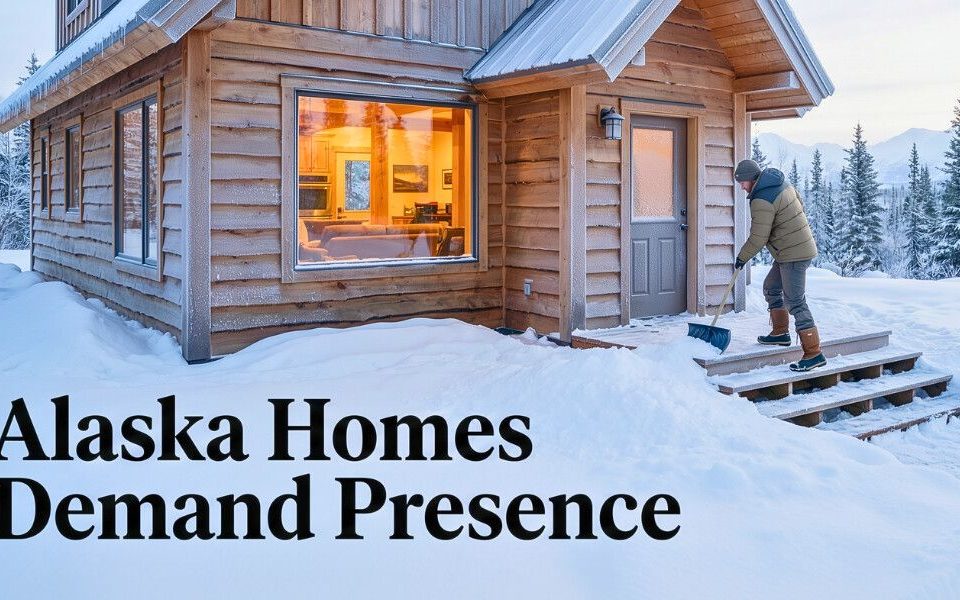
It was ten below, with wind pushing snow sideways.
The efficient home felt calm inside. Quiet. Warm without blasting the furnace. The other looked great, but you could hear the wind, feel cold spots near the windows, and hear the heat running constantly.
The buyers noticed the difference. They talked about it in the car. Even with that recognition, they still bought the prettier house.
Why Visual Appeal Still Carries the Decision
Buyers respond first to what they can see: layout, light, finishes, views, the kitchen, etc. These factors sell houses. Energy performance doesn’t have the same impact.
Long-term savings feel abstract. A beautiful space feels immediate.
That doesn’t mean buyers are careless. It means decisions are emotional first and logical second. Energy efficiency in Alaska homes tends to stay in the logic column unless someone translates it into daily life.
Invisible value has to be explained through lived experience, not spreadsheets.
The Long-Term Costs Buyers Often Overlook
Operating costs matter more over time than they do at closing. Heating fuel costs add up year after year, and maintenance on overworked systems compounds. Comfort affects how people actually use their homes.
Efficient homes often perform better during power outages and extreme cold. They recover faster and put less strain on systems.
Those benefits rarely appear in listings, but they affect quality of life far more than most buyers expect.
How Energy Efficiency Really Affects Resale
Energy efficiency alone does not guarantee a higher sale price in most Valley markets. It can help, especially when paired with good design, but it rarely overcomes poor layout or dated finishes.
Where it matters most is buyer confidence. Efficient homes feel safer during inspections and reduce unknowns. Over time, as fuel costs fluctuate and construction costs rise, that confidence will matter more.
Efficiency supports value. It doesn’t replace fundamentals.
Sellers Can Make Efficiency Easier to Understand
High-performance homes need translation.
Instead of leading with R-values, talk about quiet mornings during windstorms, even temperatures in January, or a lower chance of frozen pipes. Instead of listing ratings, explain how the home behaves in real weather.
Buyers remember stories, not charts. Comfort-focused language connects far better than technical language.
How Buyers Can Evaluate Energy Without Ignoring Style
Buyers don’t need to choose efficiency over beauty. The goal is balance.
- Ask how the home feels in winter.
- Ask about average heating costs, not best-case numbers.
- Pay attention to drafts and noise during showings.
Energy efficiency in Alaska homes is most valuable when it quietly supports daily life. A comfortable home often reveals its quality slowly.
FAQs About Energy Efficiency in Alaska Homes
What does an energy rating actually mean?
Energy ratings compare how well a home performs against a baseline. Higher ratings usually mean lower heating costs.
Do efficient homes always cost more?
Not always. Some older homes were built well, and some newer homes prioritize appearance over performance.
Are rebates worth pursuing?
They can be, especially for new construction. Many buyers miss them because no one explains them early.
Does efficiency matter at resale?
It supports value and buyer confidence, but it rarely compensates for poor layout and condition.
How can I spot efficiency during a showing?
Pay attention to noise, drafts, and how evenly the home is heated, especially in winter.
Is efficiency more important in rural areas?
Often yes. Fuel access, outage risk, and weather exposure make performance more noticeable.
When should efficiency outweigh aesthetics?
When comfort, operating cost, or resilience matter more than visual impact in your daily life.
Making Smarter Decisions in Alaska Real Estate
Buyers are not ignoring energy efficiency out of ignorance. They’re responding to what feels tangible in the moment, and that’s normal. The challenge for sellers is to translate energy efficiency to comfort and quality of life.
Are you looking to make an Alaska home purchase that balances these factors? The Valley Market Real Estate team is ready to help. Contact us to talk through your options.