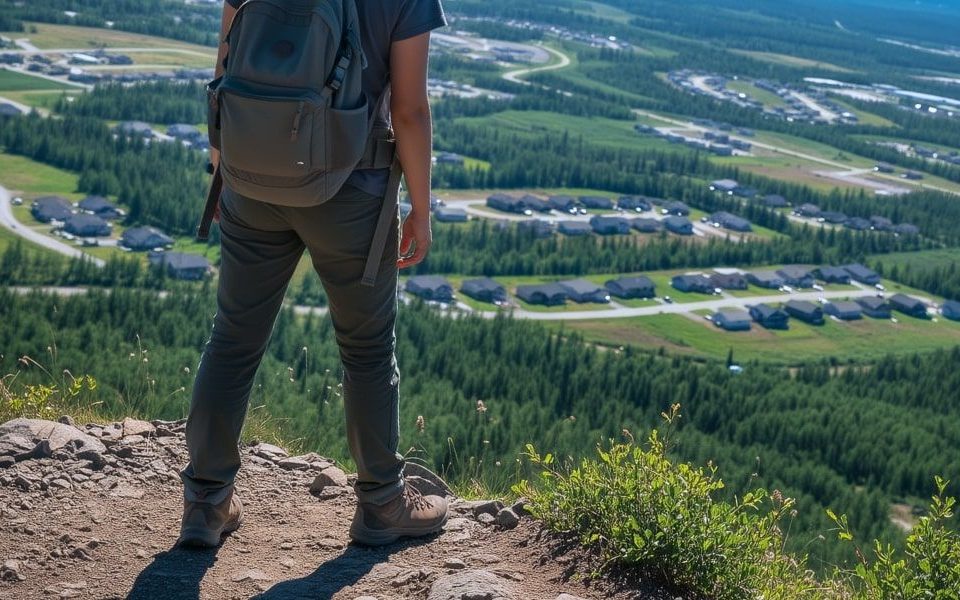
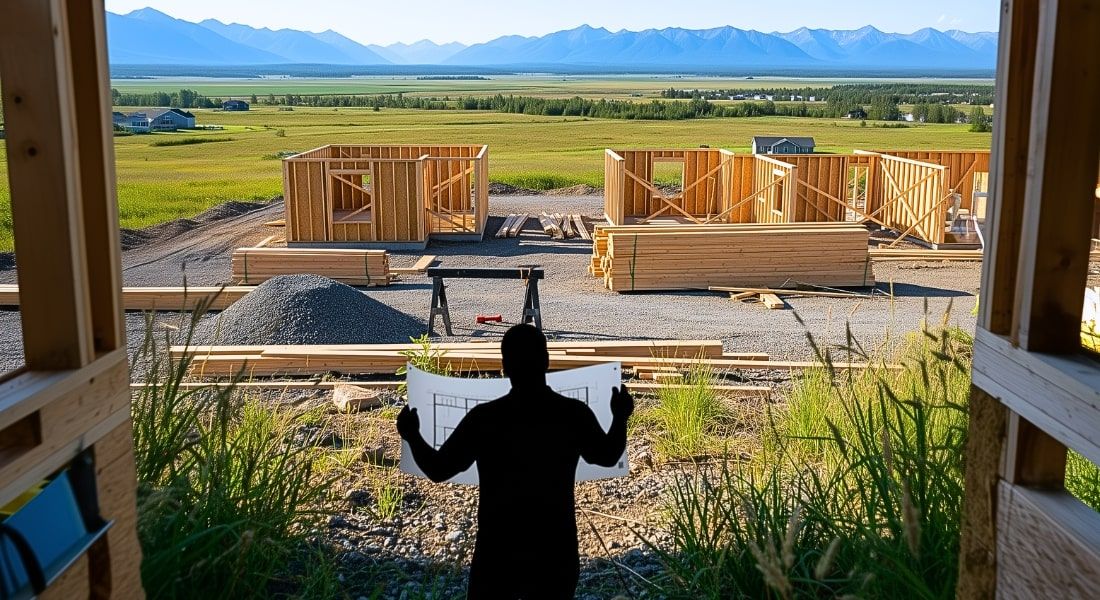
If you want to see where Alaska is growing, just follow the sound of hammers in the Matanuska-Susitna Valley. From Palmer to Big Lake, new foundations keep appearing even when other regions slow down.
More than 60 percent of all new homes built in Alaska now rise here in the Valley. That’s not a boom; that’s a shift in where Alaskans choose to live.
Why Builders Flock to the Valley
Anchorage has run out of easy land. The remaining lots within the city are small, steep, or encumbered by zoning hurdles. Out here, there’s still room to design a full-sized home. You can have a garage, a bit of yard, and space for a well and a septic tank.
Developers appreciate that the permitting process is simpler and land prices stay reasonable. Buyers appreciate that they can still find a new home for roughly the same cost as an older Anchorage property. It’s that simple equation (cost, comfort, and community) that keeps the Valley’s framing crews busy year-round.
How Most New Homes Are Built
Unlike the cookie-cutter subdivisions common in the Lower 48, most new homes in the Mat-Su Valley are stand-alone builds on one-acre lots. They rely on wells and septic systems because city water and sewer only reach the downtown cores of Palmer and Wasilla.
Soil quality and drainage matter as much as square footage. A lot with good soil, natural gas nearby, and year-round access can run between $80,000 and $100,000 per acre. And those are the parcels that sell first. Builders here work from experience. They know what lasts through a February freeze and don’t waste time on trends that won’t.
The Buyer Profile Driving Demand
The people moving into these homes aren’t investors chasing quick flips. They’re families, tradespeople, and remote workers who want elbow room without isolation. They value garage space over granite counters and insulation ratings over floor-to-ceiling glass.
They’re planning to live here through the dark months, not just the bright ones. That grounded buyer base keeps demand steady even when mortgage rates wobble, because it’s need-based rather than novelty-driven.
If you’re a homeowner or buyer in the Valley, you’re part of a market built on real lifestyle choices, not speculation. That stability keeps long-term value strong.
Building Through Winter
Last January, a small crew out near Meadow Lakes kept a build going through weeks of subzero mornings. They poured the slab with heaters running under tarps, then framed walls while the breath hung in the air. By March, the house stood solid, warm light spilling from the windows while snow still sat high on the spruce.
They didn’t build this house for show. It was for a lineman and his family who wanted to shorten the commute and stretch out on their own acre. In many ways, that’s the story of Valley growth: slow, steady, and shaped by people who plan to stay.
This kind of construction rhythm signals a market driven by local need; one that weathers rate changes better than many think.
The Market Ripple
Every new home built here feeds dozens of local businesses. Gravel haulers, plumbers, electricians, insulation crews, and small lenders all stay busy. That steady pipeline helps keep housing prices from spiking and prevents the boom-and-bust cycles seen elsewhere in Alaska.
It also explains why the Valley’s housing market moves a little slower but a lot steadier than Anchorage’s. Construction firms build to fill genuine demand, not to gamble on it.
What’s Next for the Valley Market?
With steady in-migration and limited inventory in Anchorage, the Valley is likely to remain Alaska’s center of new construction. Land prices may inch up, but the fundamentals remain sound. There’s available land, practical buyers, and a local workforce that knows how to build through snow, ice, and wind.
If you’re weighing whether to build or buy new, keep an eye on local supply, not headlines. The best opportunities come from understanding the ground, the timing, and the trends right here at home. Reach out to The Valley Market Team for in-depth insights from local professionals.
FAQs About Valley Construction
1. Why is the Mat-Su Valley seeing more new homes than Anchorage?
Because land in the Valley is still available and more affordable. The flat, buildable parcels in Anchorage are nearly gone, while the Valley still offers one-acre lots and simpler permitting.
2. How much does land cost for a new home in the Valley?
Quality lots typically range from $80,000 to $100,000 per acre, depending on soil, access, and utilities nearby.
3. Do most new homes have access to city utilities?
Only within the Palmer and Wasilla cores. Most rural builds rely on wells and septic systems, which are reliable when properly installed.
4. What kind of buyers are driving Valley demand?
Full-time Alaskans (families, tradespeople, and remote workers), not short-term investors. Local buyers value practicality over flash.
5. How does winter affect construction schedules?
Builders plan around freeze cycles. With insulated tarps and heaters, framing can continue even in cold months.
6. Are new homes in the Valley energy efficient?
Yes. Modern builds emphasize insulation, airtightness, and efficient heating, lessons learned from decades of local experience.
7. What does steady building mean for local prices?
It supports stable appreciation rather than rapid spikes. Builders match supply to real demand, keeping the market healthy.
8. Where can I find updated data on Valley housing trends?
Check borough reports and local MLS statistics for accurate, real-time updates. You can also check out our Market Memos in the blog section of the website.
Ready to Plant Your Roots? Let’s Find the Perfect Spot
The Mat-Su Valley isn’t just Alaska’s construction hotspot; it’s Alaska’s balance point. Growth here still feels personal. Every new home adds a family to a community, not just a number to a chart.
Are you interested in new construction homes in the Mat-Su Valley? Whether you’re building a new home or buying an existing one, The Valley Market Team is ready to help. Reach out now for personalized advice from local real estate professionals.