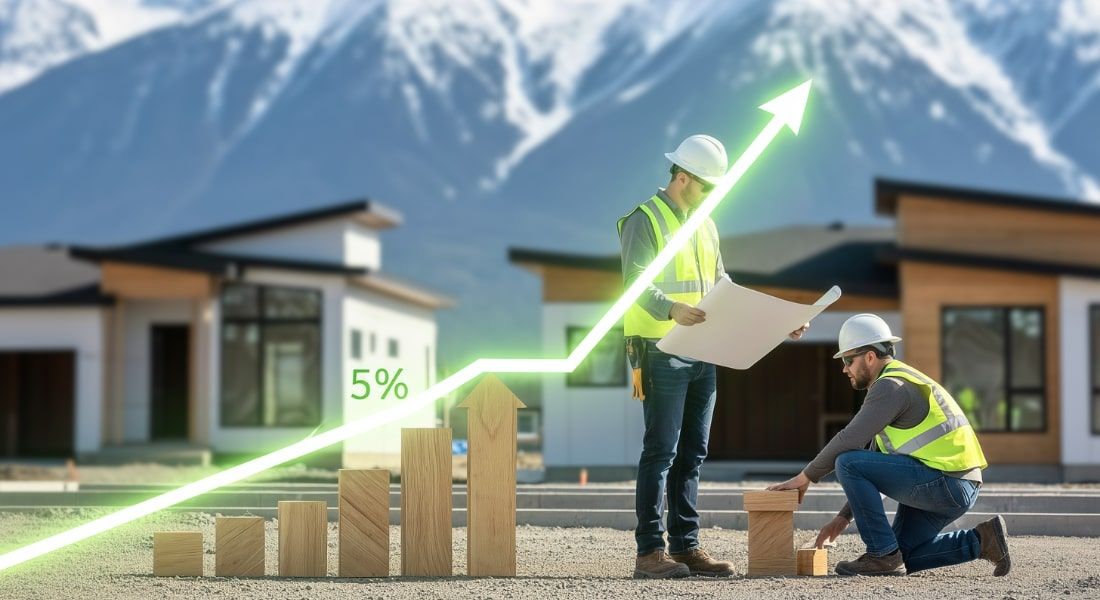
While national headlines in 2025 warned of price drops, the Matanuska-Susitna Valley quietly grew. Average home prices in Palmer and Wasilla climbed approximately 5% from 2024 to 2025. Modest nationally, but significant for Alaska.
In a state used to boom-and-bust cycles, that steady growth speaks volumes. It means the Valley is finding its footing: strong, but not stretched. As I often say, “Slow, real growth lasts longer than hype.”
What a 5% Gain Really Means
5% doesn’t sound like much, and that’s precisely the point. After years of pandemic-era surges, the Valley’s measured increase tells a different story. A sustainable market that is not overheated.
Buyers are still motivated, but not frantic. Sellers are realistic, not opportunistic. That’s what balance looks like.
Anchorage and parts of Southeast Alaska saw slower appreciation or slight dips, but the Valley stayed steady. Population growth, available land, and an active construction pipeline kept prices moving forward.
This market isn’t speculative. It’s grounded in the needs of people living and working here, not just outside investors.
Buyers can take their time and make thoughtful choices. If you’re selling, your equity is holding steady, not on a rollercoaster.
How Rates Are Shaping Local Activity
Mortgage rates remain higher than many would like. Activity has cooled, and homes stay on the market longer than they did during the 2021–2022 rush. That pause isn’t a freeze; it’s an adjustment.
Listings are slightly down, but serious buyers are still shopping, and offers are more intentional. The people still in the market are the ones who actually plan to move, not the ones testing the water.
This return to a normal pace gives both sides room to breathe and make better decisions. Expect less competition, more negotiation, and a buying environment that rewards preparation instead of speed.
Why the Valley Holds Steady
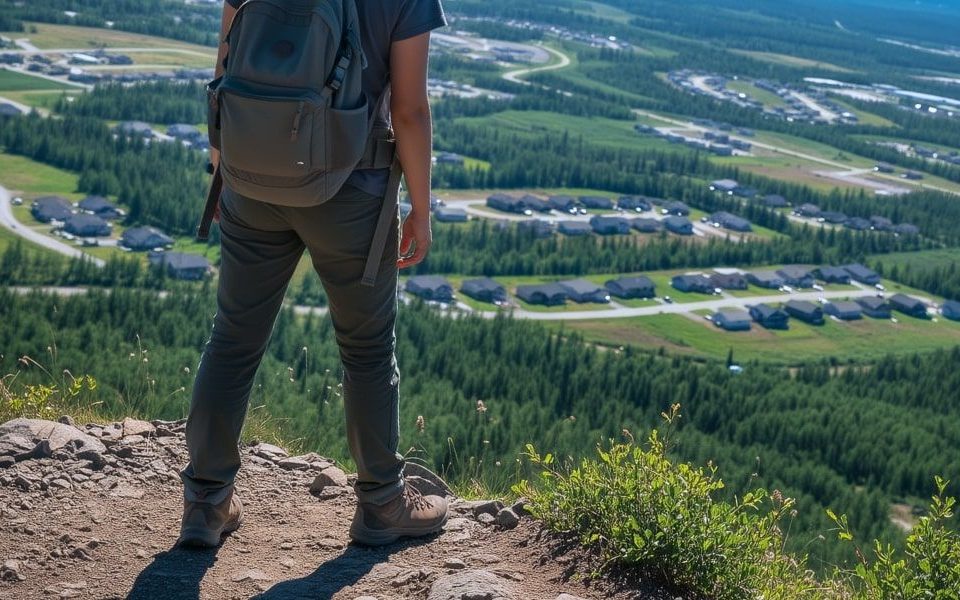
The Matanuska-Susitna Valley has become Alaska’s population anchor outside Anchorage. More than half of the state’s new home construction happens here. Families and professionals continue to move north for space, value, and connection, not just affordability.
Employment helps, too. The Valley’s workforce spans government, healthcare, construction, energy, and trades, keeping incomes steady even if one sector slows.
Land, new housing, and local jobs keep Palmer and Wasilla real estate steady despite national shifts.
The Builders Who Never Stopped
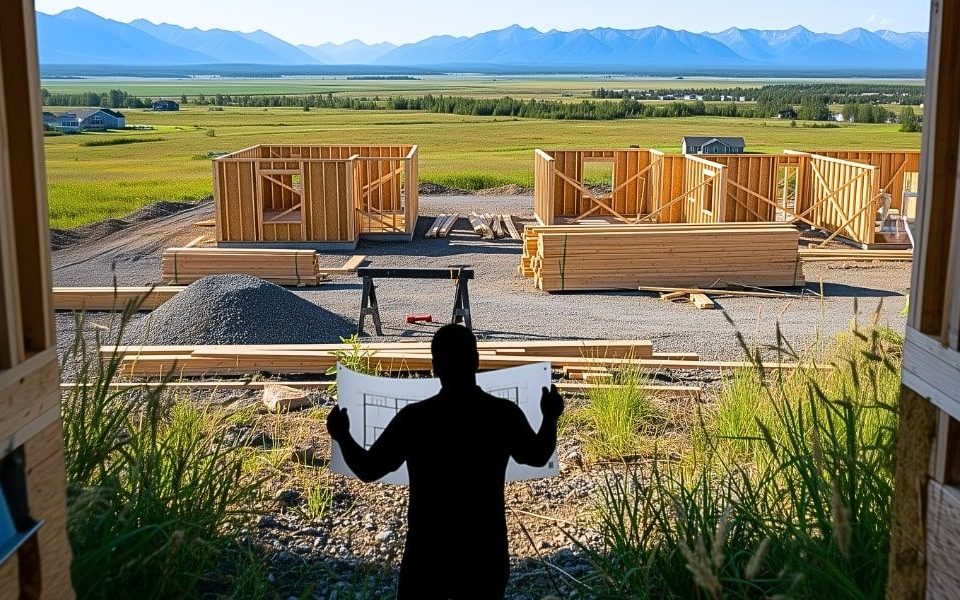
Valley contractors agree: demand never really disappeared. Take Jake, a Wasilla builder with twenty years under his belt. “We didn’t pull back after 2022,” he says. “We just built smarter, smaller footprints, better insulation, and more efficient layouts. Families still want to live here. That hasn’t changed.”
Jake’s story mirrors the Valley’s rhythm: steady work, sensible prices, and local buyers making long-term plans. Builders, lenders, and buyers are adjusting together. The market isn’t stalling. It’s maturing.
What’s Next in 2026
The short-term forecast calls for more of the same, and that’s good news. Unless there is a significant economic shock, 2026 should bring stable pricing and modest growth. We also expect consistent demand for well-built homes under $500,000.
Interest rates remain the wild card. A slight drop could unlock movement from those waiting to refinance or buy their next home. Even if rates hold steady, the Valley’s combination of affordability, accessibility, and community keeps it in balance.
Plan, don’t rush. The Valley isn’t going anywhere, and neither are your options.
Top Questions on Palmer–Wasilla Real Estate
Is a 5% increase really a good sign for Palmer–Wasilla real estate?
Yes. It signals balanced, sustainable growth rather than speculative spikes. Moderate appreciation means values are keeping pace with demand and costs without pricing out local buyers.
How are higher mortgage rates affecting Valley buyers?
Higher rates have led buyers to be more thoughtful. Most active buyers today are serious, committed movers, often relocating within Alaska or purchasing long-term homes.
Will prices drop if rates stay high through 2026?
Unlikely. Supply remains limited, and construction costs are still high. The most probable outcome is stable pricing, not a correction.
Is now a good time to sell in the Valley?
Yes, if expectations align with today’s conditions. Well-priced homes still move, especially if they’re under $500,000 and in good condition.
How does population growth impact the market?
Population increases mean ongoing housing demand. With more families choosing Palmer and Wasilla for daily life, demand for well-built, livable homes remains steady.
What can first-time buyers expect right now?
Patience pays off. While interest rates are higher, competition is lower. Buyers have time to explore options, negotiate terms, and find homes that fit both budget and lifestyle.
See How Steady GMat-Su Valley home pricesrowth Shapes Your Move
The Palmer–Wasilla market isn’t chasing national trends. It’s setting its own pace, favoring endurance over excitement. A quiet 5% gain often says more about long-term health and stability than a headline-making spike.
The Valley Market Team combines local expertise with data-driven insights. Reach out today for a personalized assessment of your home’s value and clear guidance on your next move.