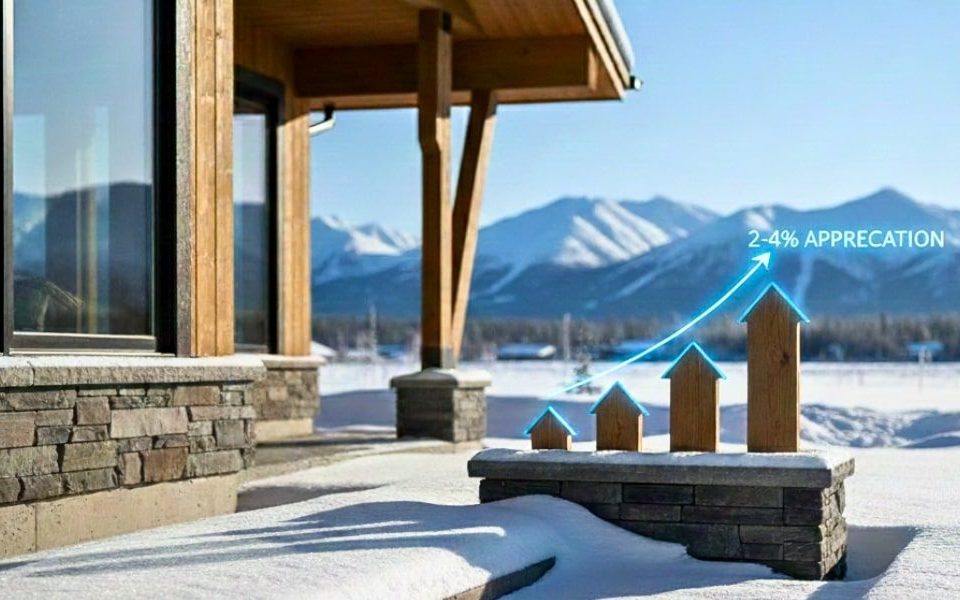
You won’t see this on national real estate blogs, but Alaska just did something unusual. It grew without overheating.
During the pandemic years, much of the country experienced sharp swings in home prices and buyer behavior. However, the Palmer–Wasilla area followed a far steadier path.
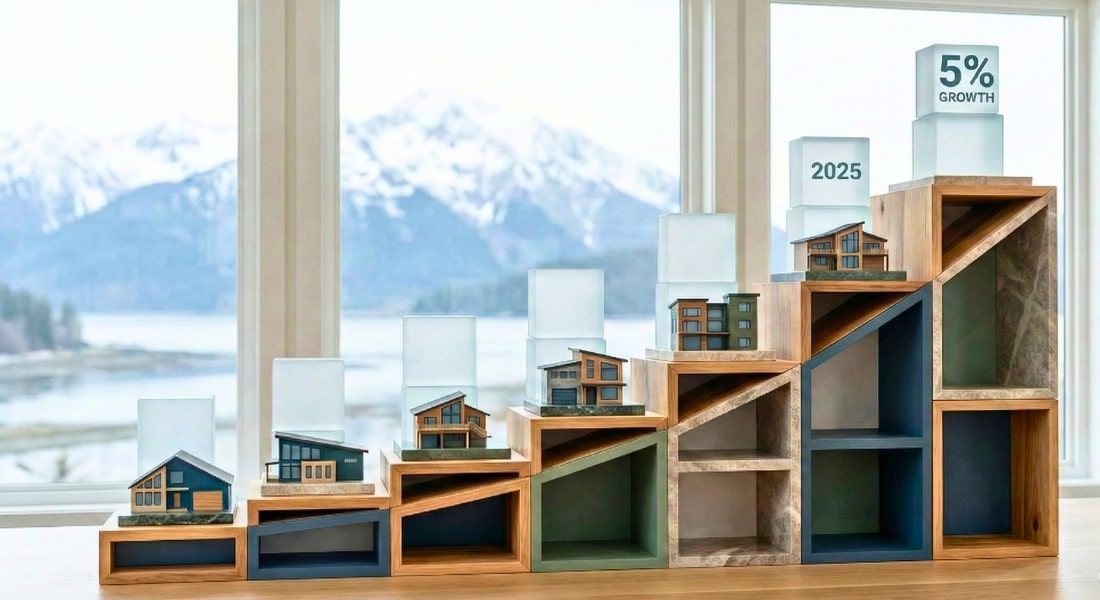
If you are watching this market closely, here is what stands out. In 2025, average home prices in the Valley rose about 5% compared to the year before. Those numbers might not be flashy, but they’re steady. That’s how you know a market’s fundamentally healthy.
What the Numbers Really Mean
A 5% rise doesn’t sound dramatic, but in context, it’s remarkable. Across the U.S., many overheated markets are now correcting downward. In contrast, Mat-Su Valley homes kept modest, consistent appreciation. Enough to outpace inflation and protect equity.
Why? It’s because speculation isn’t a driving force in the local market. Buyers here tend to purchase for the long term. They’re people who plan to live in their homes, not flip them.
Sellers stay grounded, too. There is no rush to cash out because the next step, whether upgrading, downsizing, or moving rural, remains local. That makes the Valley less reactive and more resilient.
Whether you’re buying or selling, stability helps you plan. It means you can focus on fit and timing, not panic or hype.
Interest Rates and Inventory Shape the Market
Higher interest rates have cooled activity, but not confidence. Through mid-2025, the number of listings dipped slightly. The ratio of offers to listings stayed strong, especially for homes under $450,000.
In plain terms, there are fewer buyers, but they are more serious. That means sellers must recognize the importance of pricing homes correctly. For buyers, competition has eased, and some negotiating power is returning.
It’s a natural market correction, not a collapse. Don’t let headlines drive your decisions. If the numbers fit your goals and budget, it’s still a healthy time to make a move.
The Value of a Stable Market
The Alaska market tends to lag national trends by 6 to 12 months, but the Valley often writes its own story. Steady local employment, limited land supply, and a population that’s still inching upward all add structural ballast.
While Alaska didn’t see the explosive post-COVID spikes, other states did. That moderation is now paying off. It didn’t overinflate, so there’s less air to lose. This stability is exactly what buyers and sellers both need after several volatile years.
A Real Local Snapshot
Last spring, I helped a couple from Wasilla upgrade from their starter home to a newer build in Palmer. They’d been watching rates and prices for months, expecting chaos. Instead, they found a small window of balance. Their old home sold within two weeks at a fair price, and their new one closed smoothly below asking.
That’s the Valley market right now. It’s on solid ground with a few icy patches, not a rollercoaster. If you’ve been waiting for the “perfect” time, you may already be in it.
The 2026 Outlook
Looking ahead, the Valley’s real estate market in 2026 should stay balanced with modest growth. Construction will continue at a steady pace, driven by demand for single-family homes.
Interest rates remain the wildcard. A small drop could unlock more movement from sidelined buyers. Still, even if they hold, the fundamentals support balance rather than boom.
In Alaska terms, it’s like a good winter road. Solid, a little icy in spots, but heading in the right direction.
Answering Your Questions About the Valley Market
Why is 5% growth considered healthy for Alaska real estate?
A 5% increase reflects steady, sustainable appreciation rather than a speculative spike. It keeps homes affordable for local buyers while protecting long-term equity.
Are prices expected to drop in 2026?
Not likely. Current trends show balance rather than decline. Unless there’s a major national shift, Alaska’s supply-and-demand dynamics should keep values stable.
How do interest rates affect buyers right now?
Rates have raised monthly payments, but they’ve also cooled bidding wars. Serious buyers face less competition and more room to negotiate, a fair trade-off for many.
What price ranges are most active in the Valley?
Homes under $450,000 continue to draw the most activity. They are the sweet spot for families, first-time buyers, and long-term residents seeking value.
Is this a good time to sell in Palmer or Wasilla?
Yes, if your pricing reflects current conditions. Well-maintained homes that show care and have accurate prices still sell quickly. Sellers need to be realistic and strategic.
How does Alaska’s market differ from the Lower 48?
Our market moves more slowly, with fewer speculative buyers. Weather, location, and lifestyle mean people tend to buy homes to live in, not just invest. That helps keep prices and expectations grounded.
What does “steady market” mean for buyers waiting to move up?
It means predictability. You can sell your current home and buy your next one without significant timing risks. It’s a good window for thoughtful upgrading.
Find Out What Your Home Is Really Worth
The Valley real estate market is moving steadily, not wildly. Modest growth, grounded buyers and sellers, and predictable trends make it easier to plan your next move with confidence.
From valuations to off-market opportunities, we provide the guidance you need to navigate Palmer and Wasilla with confidence. Reach out for a personalized look at your home’s value and expert guidance on planning your next move.